


 0
0


Understanding the Factors Behind Food Thermometer Pricing

Food thermometers serve a critical function in ensuring food safety and precision cooking. However, significant price differences exist among models, primarily driven by key factors such as accuracy, response time, build quality, and advanced features. Therefore, understanding these distinctions can help professionals and consumers select the right thermometer for their needs.
1. Accuracy and Calibration
Firstly, premium food thermometers are equipped with high-precision sensors, offering accuracy within ±0.5°C or better. Moreover, many professional-grade models support calibration, maintaining precise readings over extended use. In contrast, lower-cost thermometers may have greater temperature deviations, potentially compromising food safety and quality control.
2. Response Time
Additionally, fast response times are essential for efficiency in professional kitchens. For example, high-end digital thermometers provide readings within 2–3 seconds. On the other hand, economy models may require additional time to stabilize, increasing the risk of overcooking or heat loss.
3. Build Quality and Durability
Furthermore, premium thermometers feature robust construction, utilizing stainless-steel probes, waterproof casings, and impact-resistant designs. Conversely, entry-level thermometers, often constructed from lower-grade plastic materials, may be less durable and more susceptible to damage in demanding environments.
4. Features and Functionality
Advanced thermometers integrate additional functionalities, including:
- Backlit LCD screens for enhanced visibility in dim lighting conditions.
- Preset temperature settings tailored for different food categories.
- Wireless and Bluetooth connectivity enabling remote temperature monitoring.
- Min/Max temperature memory for recording fluctuations.
- Dual-probe technology for simultaneous monitoring of multiple food items.
5. Temperature Range and Application
Specialized thermometers designed for high-temperature applications, such as deep-frying and confectionery, require heat-resistant sensors. Professional models offer broader temperature ranges and greater versatility compared to entry-level alternatives.
6. Compliance and Certification
High-end thermometers often adhere to HACCP, NSF, or ISO food safety standards, ensuring compliance with industry regulations. These certifications validate accuracy, reliability, and suitability for commercial use, contributing to higher costs.
Choosing the Right Thermometer
For home cooks, a mid-range instant-read thermometer may suffice. However, professionals in foodservice, catering, and industrial applications benefit from investing in high-accuracy, durable, and feature-rich thermometers that ensure food safety and operational efficiency.
At Blue Gizmo, we offer a curated selection of food thermometers engineered for precision, reliability, and compliance. Explore our range to find the ideal solution for your culinary or commercial requirements.
Is your food perfectly cooked or just guessing?
In the culinary world, precise temperature control can mean the difference between a juicy steak and a dry disappointment. Whether you’re a home chef aiming for gourmet perfection or a professional ensuring food safety, choosing the right thermometer is essential. The two most popular options—probe thermometers and infrared thermometers—each offer unique benefits. But which one suits your kitchen best? Let’s dive into their differences, advantages, and top uses to help you decide.
How They Work?

Probe Thermometers
Probe thermometers feature a metal probe inserted directly into the food. They measure the internal temperature, providing precise readings essential for meats, baked goods, and liquids.
Advantages:
- Accurate Core Temperature: Ideal for ensuring food is cooked thoroughly, especially meats and poultry.
- Versatile: Suitable for various cooking tasks, including baking, deep-frying, and candy-making.
- Min/Max Memory Functions: Many models, store temperature readings for continuous monitoring.
Best For:

Grilling steaks and roasts

Checking doneness of cakes and bread

Monitoring temperature-sensitive recipes like candy or deep-fry oil
How They Work?
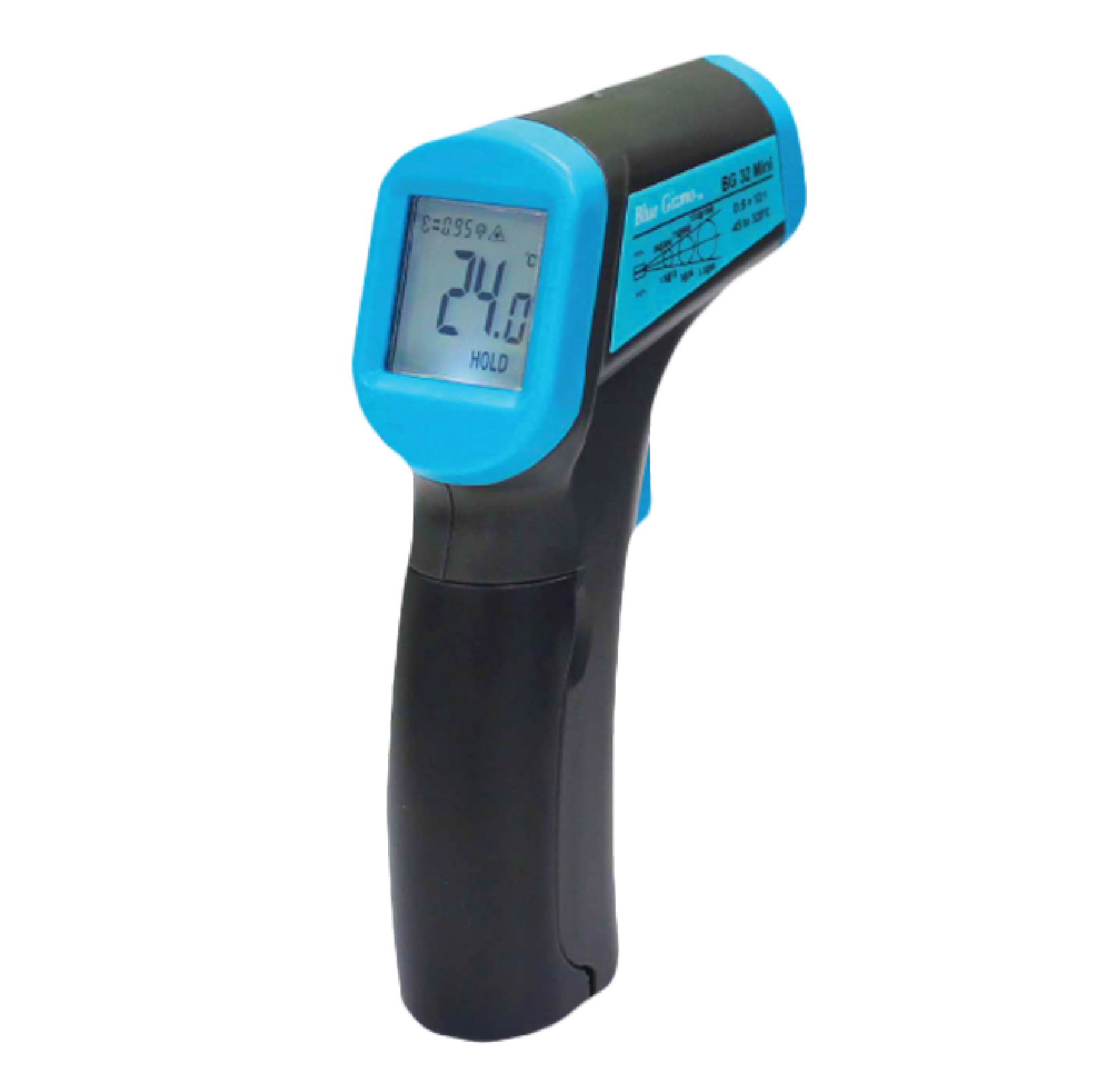
Infrared Thermometers
Infrared (IR) thermometers measure surface temperature without contact by detecting infrared energy emitted by the object.
Advantages:
- Non-Contact Measurement: Ideal for hygienic temperature checks, especially in commercial kitchens.
- Instant Readings: Provides quick temperature assessments without puncturing food.
- Safe for Hard-to-Reach Areas: Useful for checking the temperature of hot surfaces, grills, or liquids from a distance.
Best For:

Verifying surface temperatures of griddles and pans

Checking food temperatures during storage or delivery

Checking the consistency of frozen or chilled foods in storage
Which Should You Choose?
The choice depends on your cooking needs:
- Choose a Probe Thermometer if you need precise internal temperature readings for meats, baked goods, or deep-fried foods. It’s essential for recipes where internal doneness matters.
- Choose an Infrared Thermometer for quick surface checks, especially when hygiene and speed are priorities. It’s perfect for commercial kitchens, cold chain management, and ensuring equipment readiness.
For comprehensive temperature monitoring, consider having both. Use the infrared thermometer for quick scans and the probe thermometer for final internal checks.
Selecting the right food thermometer depends on how you cook, the types of dishes you prepare, and your temperature monitoring needs. Whether you prefer the precision of a probe thermometer or the speed and convenience of an infrared one, having the right tool makes all the difference in achieving safe and delicious results every time.
The Ultimate Guide to Choosing the Perfect Food Thermometer
Have you ever second-guessed whether your steak is cooked just right or worried if your chicken is truly safe to eat? A food thermometer takes the guesswork out of cooking, ensuring every meal is safe, delicious, and cooked to perfection. But with so many options available, how do you pick the best one? And does accuracy really make a difference? Let’s dive into the key factors that make a food thermometer a must-have tool in every kitchen!

1. Accuracy: The Key to Safe and Delicious Meals
Accuracy is one of the most important factors when choosing a food thermometer. Even a small temperature discrepancy can mean the difference between safely cooked food and a potential health risk. High-accuracy thermometers ensure that meat, poultry, seafood, and even baked goods reach their ideal temperatures for both safety and taste. Look for thermometers with a precision rating of at least ±1°C for reliable readings.
2. Types of Food Thermometers
Different cooking methods require different thermometers. Here are some common types to consider:
- Digital Instant-Read Thermometers – Ideal for quick temperature checks on meats, poultry, and fish.
- Candy and Deep-Fry Thermometers – Built for high temperatures, great for making caramel, chocolate, and deep-fried foods.
- Infrared Thermometers – Measures surface temperatures, useful for checking grill or pan heat.
- Refrigerator and Freezer Thermometers – Ensures food storage remains at safe temperatures to prevent spoilage.
3. Response Time
Fast readings can make cooking more efficient and prevent heat loss when checking temperatures. Digital instant-read thermometers provide results in just a few seconds, while some analog models take longer.
4. Ease of Use and Durability
A good food thermometer should be easy to use, with a clear display and intuitive controls. Waterproof, shock-resistant, and stainless-steel probes enhance durability, especially for frequent use in professional kitchens.
5. Temperature Range
Ensure the thermometer you choose can handle the temperature range required for your cooking. For example:
- Meat and poultry: 145°F – 165°F (63°C – 74°C)
- Candy making: Up to 400°F (204°C)
- Freezers: 0°F (-18°C) or lower
6. Calibration and Maintenance
To maintain accuracy, some thermometers allow calibration. Regular calibration ensures the readings remain precise over time. Proper storage and cleaning also extend the life of your device.
Making the Right Choice
Choosing the right food thermometer depends on your cooking style and needs. Whether you’re grilling, baking, deep-frying, or storing food, investing in a high-quality, accurate thermometer enhances food safety and cooking precision.
At Blue Gizmo, we provide a range of reliable food thermometers designed for accuracy, ease of use, and durability. Get yours today and cook with confidence!
What Are The Types of Food Thermometers?
Ensuring food reaches the correct temperature is essential for both safety and flavour. A food thermometer helps prevent undercooked meals and maintains safe temperatures. However, with so many options available, how do you pick the right one? Let’s explore the different types of food thermometers and their uses.
1. Digital Instant-Read Thermometers

Firstly, digital instant-read thermometers deliver quick and accurate temperature readings within seconds. They work best for checking the doneness of meat, poultry, and fish. Simply insert the probe into the thickest part of the food, wait for the reading, and remove it. However, these thermometers are not designed to stay in food during cooking.
2. Infrared Thermometers
Moreover, infrared thermometers measure surface temperatures without direct contact, making them perfect for checking cooking surfaces, grills, and food without puncturing it. However, they do not provide accurate internal temperature readings, so they should complement, not replace, other thermometer types.
3. Candy and Deep-Fry Thermometers
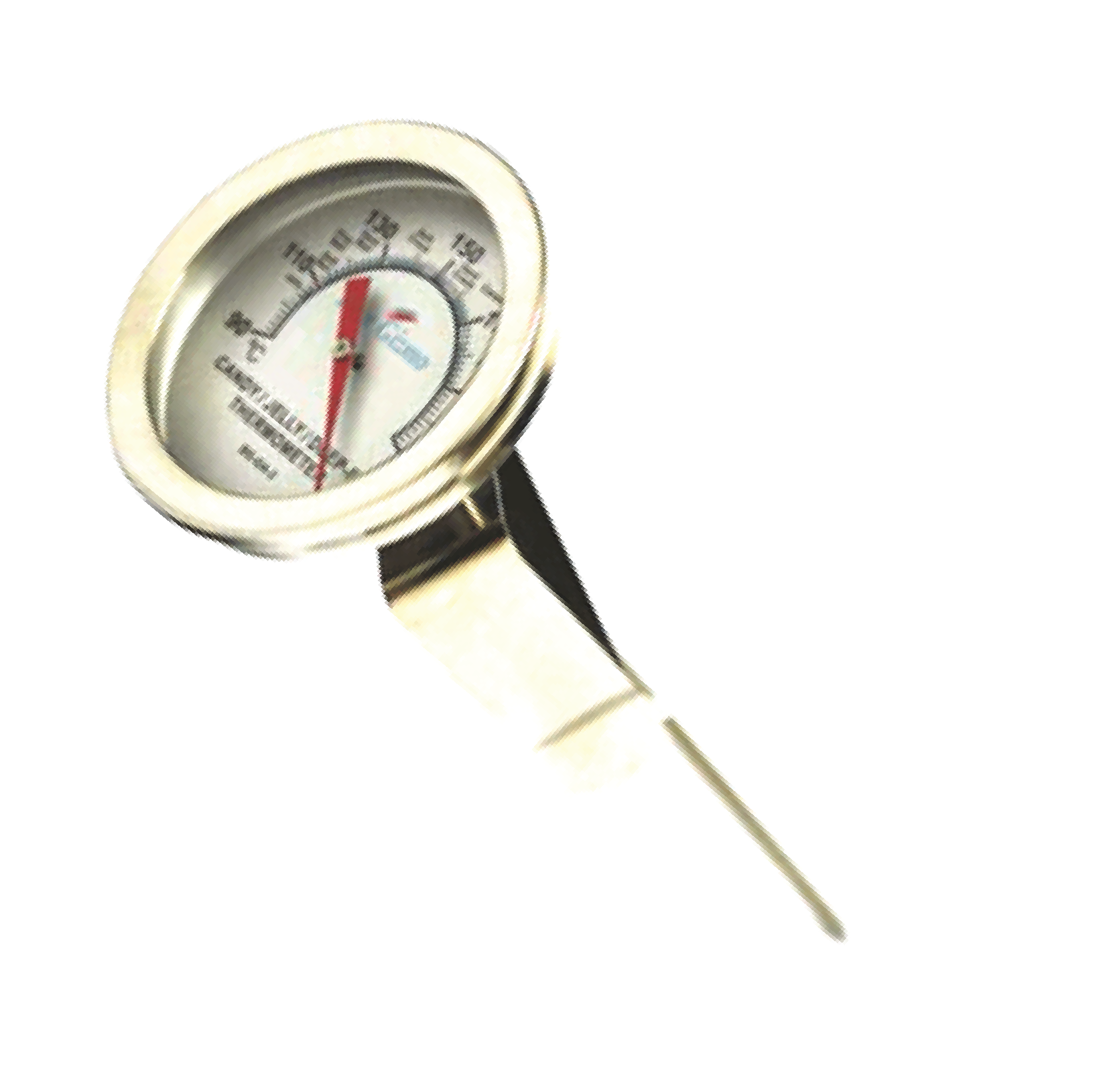
Ideal for high-temperature cooking, such as candy making, caramel preparation, and deep-frying, these thermometers often feature a clip for attaching to the side of a pot. They can measure temperatures up to 210°C, ensuring precise results for sweet treats and fried foods.
4. Meat Thermometers
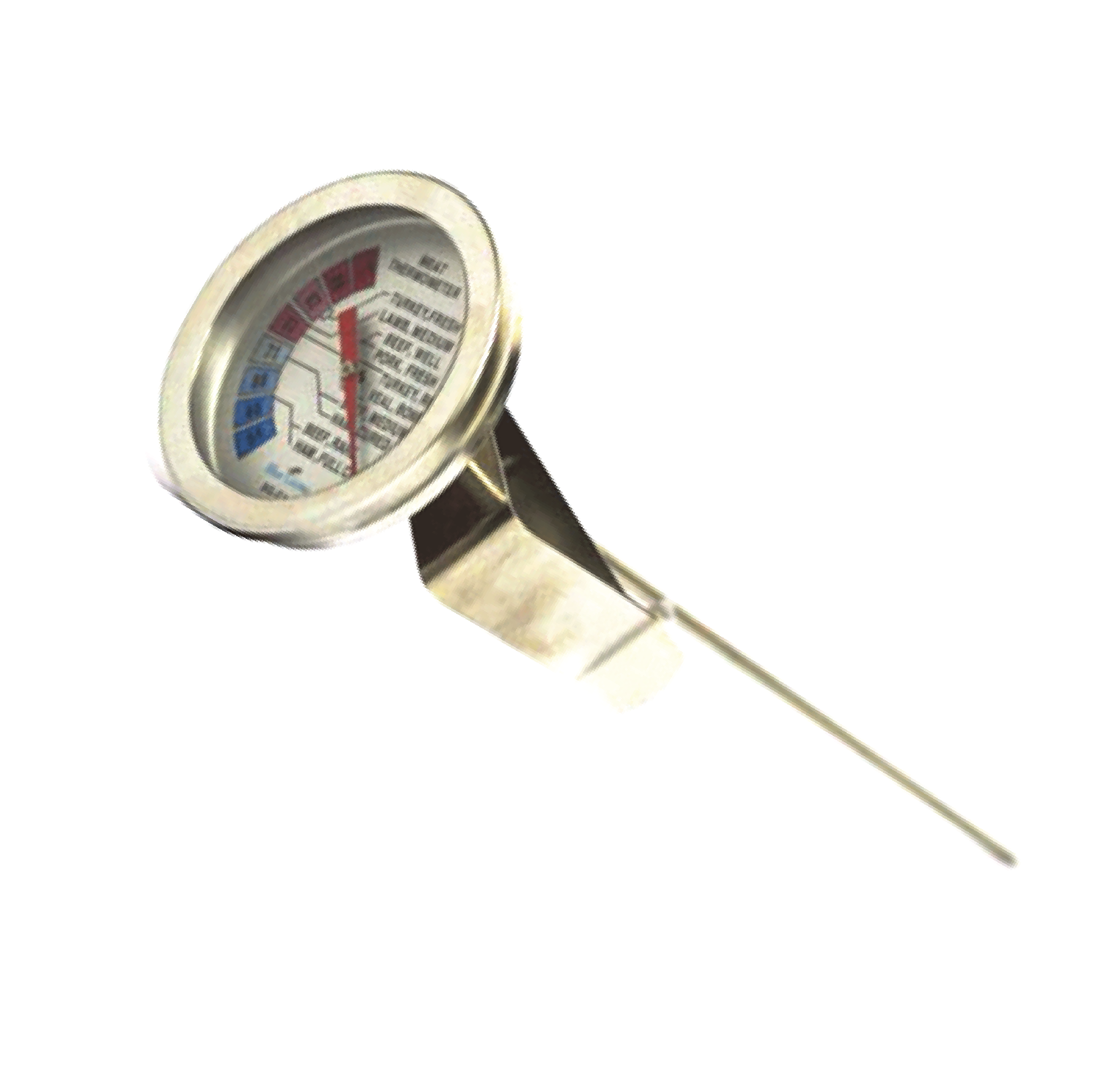
Moreover, meat thermometers guarantee that steaks, poultry, and pork reach recommended safe temperatures. Many advanced models include preset temperature settings for various types of meat, simplifying the cooking process. For continuous monitoring during roasting, choose a probe thermometer.
5. Refrigerator and Freezer Thermometers
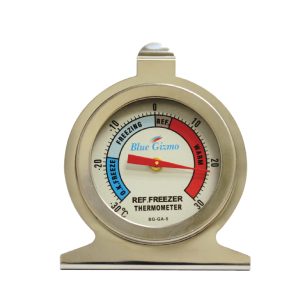
Furthermore, refrigerator and freezer thermometers monitor the temperature inside refrigerators and freezers, ensuring proper food storage. Maintaining a refrigerator at 4°C or below and a freezer at -18°C or lower prevents bacterial growth and keeps food fresh longer.
Choosing the Right Food Thermometer
Ultimately, selecting the ideal thermometer depends on your cooking habits. For general cooking, a digital instant-read thermometer is essential. If you regularly roast meats, a probe thermometer offers continuous monitoring. Meanwhile, candy makers and deep-frying enthusiasts should invest in high-temperature thermometers for precise results.
At Blue Gizmo, we offer a wide range of food thermometers designed for accuracy and ease of use. Whether you’re a home cook or a professional chef, having the right thermometer ensures food safety and precision in every meal.
Stay safe and cook with confidence—get your perfect food thermometer today!
Subscribe To Our Mailinglist
Get notified with our latest highlights and exclusive promos!
 Download Catalogue