


 0
0


Is your food perfectly cooked or just guessing?
In the culinary world, precise temperature control can mean the difference between a juicy steak and a dry disappointment. Whether you’re a home chef aiming for gourmet perfection or a professional ensuring food safety, choosing the right thermometer is essential. The two most popular options—probe thermometers and infrared thermometers—each offer unique benefits. But which one suits your kitchen best? Let’s dive into their differences, advantages, and top uses to help you decide.
How They Work?

Probe Thermometers
Probe thermometers feature a metal probe inserted directly into the food. They measure the internal temperature, providing precise readings essential for meats, baked goods, and liquids.
Advantages:
- Accurate Core Temperature: Ideal for ensuring food is cooked thoroughly, especially meats and poultry.
- Versatile: Suitable for various cooking tasks, including baking, deep-frying, and candy-making.
- Min/Max Memory Functions: Many models, store temperature readings for continuous monitoring.
Best For:

Grilling steaks and roasts

Checking doneness of cakes and bread

Monitoring temperature-sensitive recipes like candy or deep-fry oil
How They Work?
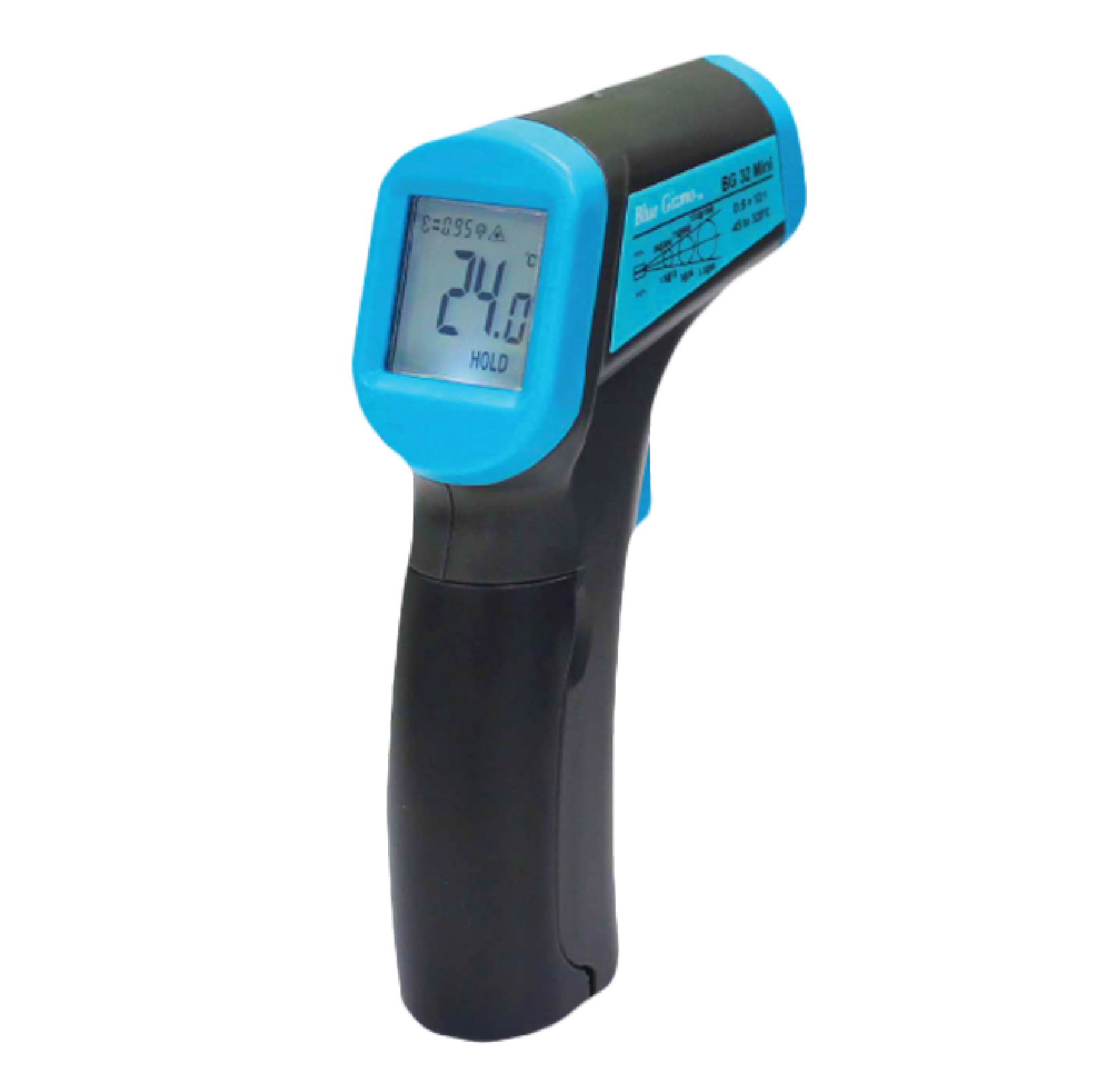
Infrared Thermometers
Infrared (IR) thermometers measure surface temperature without contact by detecting infrared energy emitted by the object.
Advantages:
- Non-Contact Measurement: Ideal for hygienic temperature checks, especially in commercial kitchens.
- Instant Readings: Provides quick temperature assessments without puncturing food.
- Safe for Hard-to-Reach Areas: Useful for checking the temperature of hot surfaces, grills, or liquids from a distance.
Best For:

Verifying surface temperatures of griddles and pans

Checking food temperatures during storage or delivery

Checking the consistency of frozen or chilled foods in storage
Which Should You Choose?
The choice depends on your cooking needs:
- Choose a Probe Thermometer if you need precise internal temperature readings for meats, baked goods, or deep-fried foods. It’s essential for recipes where internal doneness matters.
- Choose an Infrared Thermometer for quick surface checks, especially when hygiene and speed are priorities. It’s perfect for commercial kitchens, cold chain management, and ensuring equipment readiness.
For comprehensive temperature monitoring, consider having both. Use the infrared thermometer for quick scans and the probe thermometer for final internal checks.
Selecting the right food thermometer depends on how you cook, the types of dishes you prepare, and your temperature monitoring needs. Whether you prefer the precision of a probe thermometer or the speed and convenience of an infrared one, having the right tool makes all the difference in achieving safe and delicious results every time.
Subscribe To Our Mailinglist
Get notified with our latest highlights and exclusive promos!
 Download Catalogue